Did you know that your vision can predict dementia? Well, you’re about to find out how.
Picture this: You’re sitting at your kitchen table, trying to read the recipe for that dish you’ve made a hundred times. But today, the print looks fuzzy. Or maybe the TV subtitles seem to move a little too fast to keep up. Sure, it’s easy to chalk it up to aging eyes—but what if it’s something more?
Here’s the thing: changes in your vision and dementia connection can sometimes hint at what’s happening in your brain. And no, it’s not just an old wives’ tale. Your vision can predict dementia, offering critical insights into your cognitive health.
Keep reading because the next few minutes could change how you think about eyes and dementia—and your brain.
The Astonishing Link Between Vision And Brain Health
How Your Vision Can Predict Dementia
Your eyes and dementia connection is more profound than most people realize. They’re like a sneak peek into how your brain is doing. Research shows that when you start noticing small vision struggles, like missing steps or trouble following moving objects, it might mean your brain is struggling, too. Dementia eyes display unique characteristics that can be identified through careful examination.
Think of it like this: your eyes and your brain are teammates. If one starts to fumble, the other feels the strain. And those subtle shifts you might brush off as nothing? They could be your first clue.
Visual Symptoms of Dementia and How Dementia Eyes Look Different
While eyes themselves don’t change physically, the way the brain cells process visual information is dramatically altered in individuals with dementia.
Dementia eyes look different in their function rather than appearance. People with dementia eyes may experience visual hallucinations, particularly in conditions like lewy body dementia. These hallucinations are vivid and realistic, caused by changes in the brain tissue and central nervous system.
The relationship between vision and dementia manifests in several distinct ways:
- People may experience a loss of peripheral vision, often described as tunnel vision. This occurs as the brain cells responsible for processing information from the edges of the visual field deteriorate.
- Additionally, visual hallucinations are common in lewy body dementia and can range from seeing shadows to observing fully formed people or animals.
- Individuals may struggle with spatial relationships, making it difficult to navigate stairs or judge the distance between objects. Your vision can predict dementia by revealing these subtle processing changes before memory loss becomes apparent.
The optic nerve and its connection to the brain are crucial in understanding this relationship. While the optic nerve itself may be healthy, the brain tissue that processes the signals may be compromised. Dementia develops gradually, and eyes and dementia become increasingly interconnected as neurological diseases progress.
Neurological Changes Behind Vision and Dementia
The connection between vision and dementia involves complex changes in brain cells and neurological diseases connected to cognitive function. When dementia develops, it affects multiple systems, including those responsible for visual processing.
Vascular dementia and lewy body dementia present different visual symptoms. In vascular dementia, blood vessels in the brain become compromised, reducing blood flow and affecting how brain cells function. Frontotemporal dementia can impact areas of the brain responsible for object recognition and eye contact, making dementia eyes appear less engaged or responsive.
Lewy bodies—abnormal protein deposits in the brain—are characteristic of lewy body dementia and directly contribute to visual hallucinations and altered visual processing. Research using brain scans has shown these changes occur in the central nervous system, affecting functional abilities related to vision.
Understanding risk factors is essential. Cardiovascular disease, high blood pressure, and blood sugar levels all impact brain health. These systemic conditions can accelerate the development of dementia and worsen both vision and cognitive symptoms. Your family doctor can help assess these risk factors and recommend appropriate screenings.
Vision Changes as Diagnostic Indicators
Your vision can predict dementia up to a decade before traditional cognitive assessments detect decline. Recent systematic review of research has confirmed that visual issues are often among the first signs of neurological diseases connected to cognitive decline.
Dementia diagnosis increasingly incorporates vision testing as a key component. Your eye doctor can perform tests that assess age related changes versus pathological changes. Eyesight problems that seem unusual—like less sensitivity to contrast or difficulty with spatial relationships—warrant further evaluation to diagnose dementia or rule out other cognitive impairment.
Risk Factors and Systemic Conditions
Older adults with vision problems have a higher prevalence of dementia than those without it. Understanding the risk factors connecting vision and dementia is essential for prevention.
Medical conditions like cardiovascular disease directly impact brain health. When blood vessels are compromised, the brain cells responsible for visual processing receive insufficient oxygen. High blood pressure accelerates neurological diseases connected to dementia, while elevated blood sugar increases dementia diagnosis risk.
Dementia develops more rapidly in individuals with systemic conditions affecting multiple organ systems. The central nervous system is particularly vulnerable when overall health is compromised.
What Vision Loss Reveals About Alzheimer’s Disease
Here’s something you might not expect: vision loss can actually be linked to Alzheimer’s disease. It’s not just about how clearly you see but how well your brain processes what you’re seeing. Your vision can predict dementia, and subtle changes in your eyesight could be a signal that something is happening in your brain.
For example, if you’re noticing trouble telling light from the dark or other subtle vision and dementia indicators, it might be connected to changes in brain function. Scientists are uncovering how this all ties back to things like amyloid plaques—the stuff linked to Alzheimer’s.
Research has indicated that retinal changes may correlate with changes in areas of the brain responsible for memory and perception of time. A study showed that dilation of the pupil may be tied to an indication of risk for Alzheimer’s Disease.
Don’t wait until it's too late—schedule your eye exam today! Early detection of vision changes can make all the difference in your cognitive health.
How Vision Tests Can Help Predict Dementia?
The Science Behind Visual Sensitivity Tests
You might be wondering, how can an eye test possibly tell you about your brain? Turns out, it’s all in the details. Modern eye exams can measure things like contrast sensitivity and how well your eyes follow moving objects.
These aren’t random tests—they’re deeply connected to your brain’s ability to process visual information. And catching those little hiccups could be a game-changer.
Eye Movement Control And Brain Function
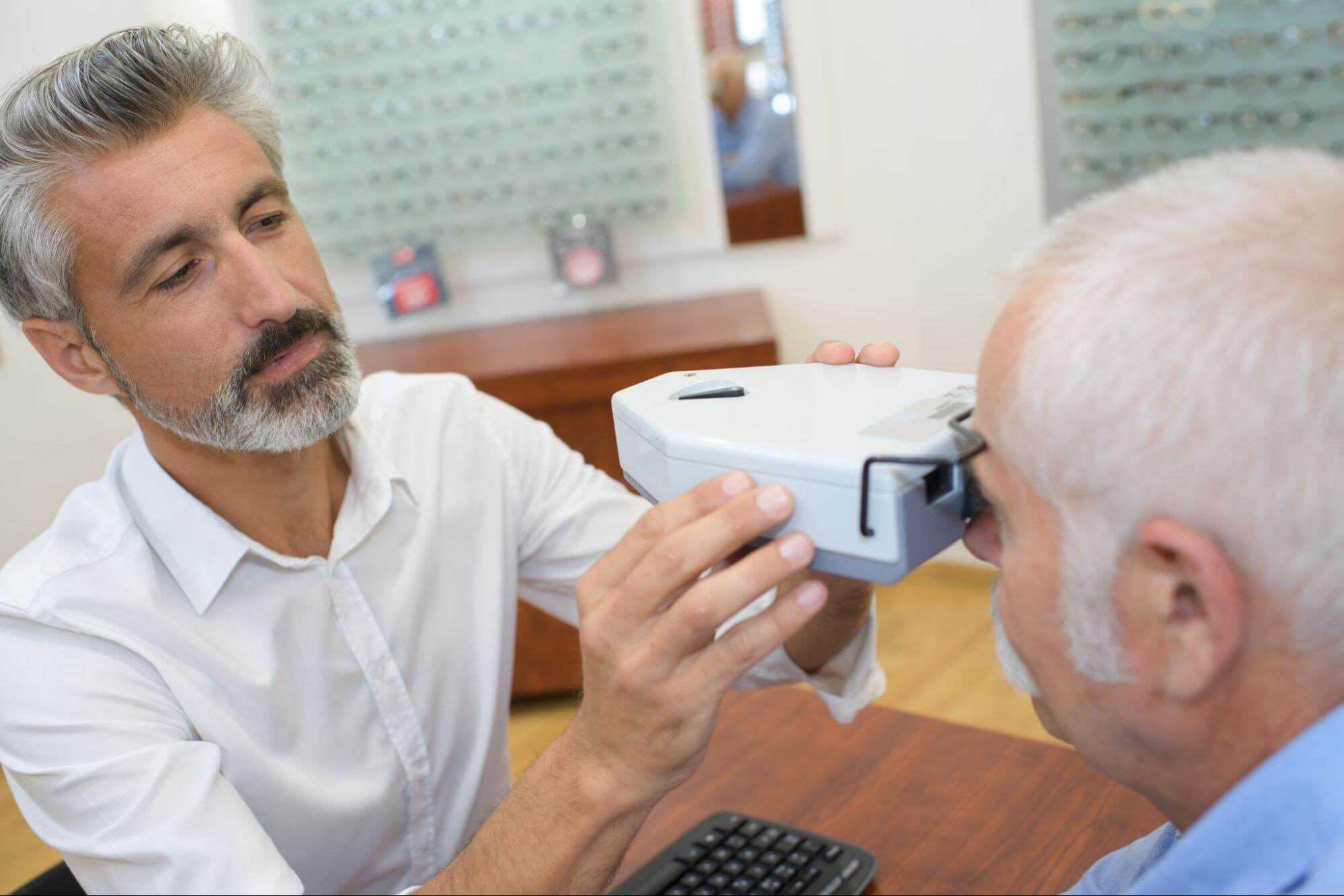
Ever noticed how your eyes dart from word to word when you read? That’s no accident. Your brain is choreographing those movements. But when your eyes start to lag or struggle to follow, it could be a sign that your brain is working overtime.
Eye-tracking technology now makes it easier to spot these changes. Dementia eyes show measurable differences in movement control. It’s not just about your eyes—it’s about understanding how well your brain is keeping up.
The Role Of Routine Eye Exams In Early Detection
Here’s the truth: eye exams aren’t just for figuring out if you need new glasses. They’re a check-in on your overall health. Your vision can predict dementia, and a simple eye exam can help catch early warning signs of cognitive decline before they become major concerns.
During these exams, your doctor might spot conditions like cataracts or macular degeneration. These aren’t just vision and dementia separate issues—they’re tied to your brain health, too. And catching them early? It could save you a whole lot of trouble down the road.
Why Prioritize Eye Health As You Age?
The Elevated Risk Of Vision Impairment In Older Adults
Getting older doesn’t have to mean giving up on clear vision. But here’s the thing: vision and dementia risks increase substantially with age. Vision loss can creep up on you, and it doesn’t just make life inconvenient. It can lead to bigger risks like falls or even memory loss.
The upside? Many of these issues are treatable if you catch them early. Dementia eyes look different in ways that age related changes don’t. Understanding this distinction helps ensure you’re immediately aware of potential concerns.
Age-Related Eye Diseases And Cognitive Decline
Conditions like macular degeneration or diabetic retinopathy might sound scary, but they’re more common than you’d think. And they’re not just about your eyes—they’re connected to how your brain functions, too.
When your vision struggles, your brain has to work harder to fill in the gaps. Over time, that extra work can wear it down. Taking care of your eyes means taking care of your brain.
Services like macular degeneration testing can help detect early signs and reduce the strain on your brain, improving both vision and cognitive health.
The Ripple Effect Of Untreated Vision And Hearing Loss
Here’s something to think about: struggling with both vision and hearing loss doesn’t just make daily life harder—it’s been linked to a higher risk of cognitive decline. Imagine the strain your brain is under trying to navigate the world without clear input.
Getting ahead of these issues by addressing them can make life feel a whole lot easier—and brighter.
See Beyond the Surface With 414 Eyes
At 414 Eyes, we believe your eyes tell a story—a deeply personal one about your health. That’s why we’ve embraced cutting-edge vision tests and technologies to help uncover potential links between vision problems and cognitive decline. Whether it’s a subtle shift in contrast sensitivity or eye movement control issues, our comprehensive exams are designed to identify early signs of conditions like dementia and Alzheimer’s disease. By focusing on your visual acuity, visual processing speed, and even depth perception, we aim to catch the clues your eyes might be giving about your brain’s well-being.
Our team understands that vision changes aren’t just a normal part of aging—they could be a diagnostic tool for understanding more about your cognitive abilities. From early-stage issues like mild cognitive impairment to long-term concerns like dementia vision loss, we’re here to provide compassionate care and tailored solutions. Together, let’s prioritize your eye health to not only improve your vision but also safeguard your brain function, memory, and quality of life.
Ready to take control of your health? Contact us to help you safeguard both your vision and cognitive function.
FAQs
What is the connection between vision loss and cognitive decline?
Vision and dementia are intricately connected. Vision loss can lead to reduced brain-related activities as the brain processes visual information differently. Dementia eyes look different functionally, affecting how individuals interpret their environment. This link highlights how untreated vision and dementia conditions may contribute to cognitive decline and dementia diagnosis risk. Research shows your vision can predict dementia up to 12 years before memory problems appear.
What are the visual symptoms of dementia, including lewy body dementia?
Eyes and dementia symptoms vary depending on the type. Visual hallucinations are prominent in lewy body dementia, while vascular dementia causes peripheral vision loss and depth perception problems. Frontotemporal dementia affects object recognition and eye contact. Dementia eyes look different through reduced sensitivity to contrast, difficulty with spatial relationships, and impaired ability to recognize faces. Vision and dementia symptoms emerge as neurological diseases connected to these conditions progress and brain cells deteriorate.
How can vision tests detect early signs of Alzheimer’s disease?
Certain vision tests, such as visual sensitivity tests and contrast sensitivity exams, can identify early signs of Alzheimer’s disease by assessing visual processing speed and changes in visual acuity. Your vision can predict dementia, as these tests measure not only how well you see but also how your brain processes the information it receives.
Does impaired vision increase the risk of developing dementia?
Yes, impaired vision, including issues like age-related macular degeneration, poor vision, and conditions such as glaucoma management and dry eye treatment, has been linked to an increased risk of developing dementia due to reduced visual perception and cognitive engagement.
Can early detection of vision changes help predict dementia?
Absolutely. Early detection through tools like eye tracking technologies and visual processing assessments can help predict dementia by identifying early-stage indicators like eye movement control issues and deliberate eye movements.
What role do memory tests and vision exams play together in identifying cognitive decline?
Memory tests and vision exams work together as diagnostic tools to assess brain function, as vision changes often accompany memory impairment in older adults experiencing mild cognitive impairment or aging brain concerns.
How does untreated hearing loss relate to dementia risk in patients with vision problems?
Untreated hearing loss combined with vision problems can elevate dementia risk by further reducing cognitive abilities and brain-related stimulation, which are crucial for maintaining mental sharpness.
What future research could help improve dementia detection through vision science?
Future research exploring facial recognition, depth perception, and the impact of toxic amyloid plaques on visual processing could advance diagnostic tools and help predict dementia up to 12 years earlier than current methods. Your vision can predict dementia by revealing subtle changes in how the brain processes visual information long before cognitive symptoms become apparent.
How does cataract surgery impact dementia patients?
Cataract surgery can improve visual impairment in dementia patients, enhancing their quality of life and potentially aiding cognitive engagement by restoring clarity to their vision.
What is the relationship between systemic health conditions and dementia vision changes?
Systemic conditions like cardiovascular disease, high blood pressure, and elevated blood sugar directly impact vision and dementia risk. These medical conditions affect blood vessels supplying the brain, reducing brain function and accelerating how dementia develops. Risk factors are interconnected: poor vascular health compromises the optic nerve and brain tissue responsible for visual processing, while neurological diseases connected to dementia further impair functional abilities. Your family doctor should assess these risk factors comprehensively to help diagnose dementia early and prevent cognitive decline.
How can moving dots tests help detect cognitive issues?
Tests involving moving dots assess a person’s ability to track motion and detect visual processing problems, which are linked to cognitive decline and early signs of dementia.
What is the connection between heart disease and dementia risk?
Heart disease affects blood flow to the brain, which may impair visual processing and increase the risk of dementia by reducing cognitive function and inhibitory control.
Does dementia affect short-term memory differently than vision?
Yes, dementia impacts short-term memory by impairing the brain’s ability to retain information, while vision issues like inhibitory control challenges affect how patients process and interpret visual data.
Can watching TV improve memory or vision in dementia patients?
Watching TV with engaging and visually stimulating content may help improve memory and provide better cognitive engagement for dementia patients, but it is not a substitute for professional care.
How can caregivers help individuals with dementia experiencing vision challenges?
Caregivers can modify homes to make them safer and more comfortable for individuals with dementia experiencing vision and dementia challenges. Contrasting colors can help individuals with dementia recognize objects and encourage them to eat. Using adequate lighting can help minimize glare and shadows for individuals with dementia. Gradually turning on lights can help individuals with dementia adjust to changes in lighting. Caregivers should stand directly in front of individuals with dementia when speaking to them to ensure they can see clearly. Environmental modifications can reduce behavioral problems such as agitation and confusion in individuals with dementia.
How does normal aging differ from dementia-related vision changes?
Normal aging may cause gradual visual acuity changes, such as slight difficulty with focusing, while dementia-related vision issues often involve distinct problems like impaired depth perception, triangle-forming difficulties, and inhibited visual processing speed. These challenges can also impact a person’s ability to retain information, affecting their short-term memory. With dementia, the ability to process visual stimuli and form clear mental pictures is compromised, making it harder to maintain better memory and overall cognitive function.